


Views: 0 Author: Site Editor Publish Time: 2026-01-20 Origin: Site


Air curtains, also known as air doors, are devices used to create an invisible barrier of air that separates two different environments. These machines are widely used in commercial and industrial settings, particularly in entrances to stores, warehouses, hospitals, and clean rooms. Their primary function is to maintain temperature control, prevent the infiltration of dust, insects, and pollutants, and reduce energy costs by separating the interior and exterior air while allowing free movement of people and goods.
While air curtains are generally durable and reliable, many businesses and building owners often wonder: how long do air curtains last? The answer depends on several factors, including the quality of the unit, the frequency of use, the maintenance practices, and the operating conditions. In this article, we will explore the lifespan of air curtains, what affects their longevity, and how you can maximize their performance with proper maintenance. By understanding the factors influencing their durability, you can ensure that your air curtain provides optimal service for years to come.
An air curtain is made up of several key components that work together to create a high-velocity air stream. These components include:
Component | Function |
Blower Fan | Generates the high-speed airflow to create the air barrier. |
Motor | Powers the blower fan, often with variable speed control for adjusting air flow. |
Air Intake | Draws in air from the surrounding environment and directs it through the blower fan. |
Nozzle | Directs the airflow across the opening or doorway to create an invisible barrier. |
Controls | Allows users to adjust settings such as fan speed and operation time. |
The air curtain works by blowing a high-speed stream of air across the doorway, creating a barrier that prevents air, dust, and debris from entering the building. This helps maintain the internal temperature, improve air quality, and enhance energy efficiency.
Air curtains are an energy-efficient solution, particularly in environments where frequent door openings are common. By creating an air barrier, they prevent the escape of conditioned air (either hot or cold), which reduces the load on HVAC systems and helps maintain the desired indoor temperature. This leads to significant energy savings and lower utility costs, especially in high-traffic areas.
The quality of the air curtain plays a significant role in determining its lifespan. Higher-quality air curtains, particularly those manufactured by reputable brands, tend to last longer due to their superior materials, design, and advanced technology. Premium air curtains are constructed with durable components, such as robust motors, fans, and high-quality casings, which are capable of withstanding years of use without experiencing significant wear or malfunction. These air curtains are designed to offer efficient and reliable performance, even under continuous operation.
Manufacturers that use top-tier materials for their air curtains are also more likely to incorporate the latest technology to enhance the functionality of the unit. Features such as variable speed controls, advanced filtration systems, and energy-efficient motors can significantly improve the performance of the air curtain and contribute to its longevity. A well-built air curtain will provide stable and consistent airflow, helping businesses maintain energy efficiency, control temperatures, and improve customer comfort over the long term.
When selecting an air curtain for your business or facility, it’s important to consider the brand's reputation, customer reviews, and product specifications. Brands with a proven track record of quality and reliability typically offer air curtains that can last upwards of 10 years or more, depending on how they are used and maintained. Investing in a premium, high-quality air curtain can save businesses money in the long run by reducing the frequency of repairs and replacements, ensuring the unit continues to perform at its best.
Key Considerations When Selecting an Air Curtain:
Brand Reputation: Choose air curtains from established manufacturers known for their reliability.
Customer Reviews: Research product feedback to understand real-world performance and longevity.
Product Specifications: Look for air curtains with advanced features like energy efficiency, motor durability, and robust construction.
The frequency of use is another critical factor that influences the lifespan of an air curtain. Air curtains installed in high-traffic commercial spaces, such as supermarkets, restaurants, warehouses, and retail stores, are likely to experience more wear and tear due to their constant operation. These spaces often have doors or entryways that are regularly opened and closed, meaning the air curtain works continuously to maintain the separation between indoor and outdoor environments.
When an air curtain is used continuously, it has to work harder to maintain the temperature, prevent contaminants from entering, and provide the necessary airflow. This constant use can lead to faster wear on the motor, blower fan, and other components, ultimately reducing the lifespan of the unit. As the demand on the air curtain increases, the components are subjected to greater stress, which could lead to overheating, malfunction, or the need for more frequent maintenance.
On the other hand, air curtains that are used intermittently or in low-traffic areas will experience less strain and can last longer. For example, air curtains used in offices or spaces with less foot traffic will likely experience slower wear and tear, resulting in an extended lifespan.
How to Maximize the Lifespan Based on Use:
High-traffic areas: Choose air curtains designed for heavy-duty use and ensure regular maintenance.
Low-traffic areas: Consider air curtains with energy-saving features and lower operational demands.
Maintenance: Perform regular servicing to address wear and prevent issues related to prolonged use.
The operating conditions in which the air curtain is used can also affect its longevity. Extreme temperatures, humidity levels, and exposure to pollutants can all contribute to the wear and tear of the components. For example, if the air curtain is placed in an area with high dust or grease levels, this can lead to clogged filters and decreased efficiency.
Additionally, if an air curtain is used in areas with extreme temperatures, such as cold storage units or high-heat environments, the components may face more stress, leading to a reduced lifespan.
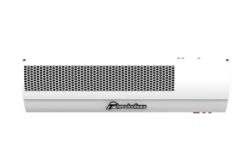
The typical lifespan of an air curtain can range from 5 to 15 years, depending on the factors discussed above. With proper installation and regular maintenance, air curtains can provide many years of service. However, without proper care, the lifespan of the air curtain may be reduced.
High-quality units: 10–15 years.
Standard units: 5–10 years.
The key to maximizing the lifespan of your air curtain is adhering to recommended maintenance schedules, performing regular inspections, and replacing worn-out parts as needed.
Regular maintenance is essential to ensuring that your air curtain operates efficiently and lasts for as long as possible. Some key maintenance tasks include:
Cleaning the Air Intake and Nozzle: Dust, dirt, and debris can clog the air intake and nozzle, reducing the air curtain’s performance. Regularly cleaning these parts can help maintain airflow and prevent the buildup of contaminants.
Checking the Motor and Fan: Ensure that the motor and fan are functioning properly. Lubricate moving parts as recommended by the manufacturer to prevent wear.
Inspecting the Filters: If your air curtain has filters, they should be cleaned or replaced periodically to maintain air quality and airflow efficiency.
It’s always a good idea to have your air curtain professionally serviced every few years, especially if it’s used in a high-traffic or demanding environment. A professional service can include a comprehensive inspection of all parts, cleaning of internal components, and necessary repairs or part replacements.
Understanding the factors that affect the lifespan of your air curtain can help you make informed decisions about purchasing and maintaining the equipment. A high-quality air curtain, combined with regular maintenance, can last for many years, providing energy efficiency, improved air quality, and a comfortable environment for both staff and customers.
If you’re considering investing in an air curtain for your business, we at GZ THEODOOR TECH CO., LTD. offer top-quality solutions that can meet your needs and ensure long-lasting performance. With a focus on reliability, efficiency, and customer satisfaction, we are here to guide you in choosing the right air curtain and providing ongoing support for its upkeep.
How long do air curtains last?
The lifespan of an air curtain typically ranges from 5 to 15 years, depending on factors like quality, frequency of use, and maintenance.
What are the main causes of air curtain failure?
Common causes include clogged filters, motor malfunctions, damaged components, and overheating due to poor maintenance.
How can I extend the lifespan of my air curtain?
Regular cleaning, inspections, and professional servicing can help maximize the lifespan and performance of your air curtain.
Are air curtains energy-efficient?
Yes, air curtains help reduce energy consumption by preventing temperature exchange between the inside and outside, leading to savings on heating and cooling costs.


