


Views: 0 Author: Site Editor Publish Time: 2026-05-21 Origin: Site


Homeowners often face intense sticker shock in the appliance aisle. Modern heat pumps carry intimidating upfront price tags. A basic electric tank looks incredibly cheap by comparison. However, these standard electric resistance heaters hide a massive long-term energy drain. You lose thousands of dollars on utility bills over a decade. Focusing purely on the initial purchase price is a costly mistake.
This guide evaluates these two distinct systems over a 10-year lifespan. We move beyond initial retail prices entirely. You will learn to calculate true long-term expenses accurately. We carefully examine initial equipment costs and installation barriers. We also factor in your local utility rates and applicable tax incentives. You can finally make the smartest financial decision for your household.
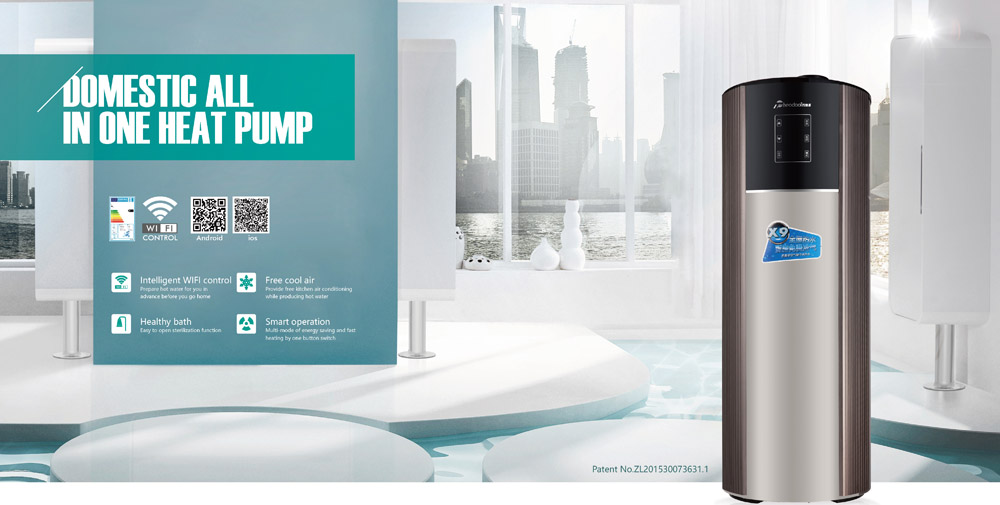
Efficiency Gap: Standard electric units cap out at an Energy Factor (EF) of ~0.95, while a modern heat pump water heater can exceed an EF of 3.5.
TCO Winner: Despite higher upfront costs, heat pumps generally cost thousands less over a 10-year period due to drastically lower operational expenses.
Installation Realities: Heat pumps require specific ambient conditions (e.g., minimum 450 cubic feet of space) and air circulation to function efficiently.
Financial Incentives: Federal programs (like the IRA) and local utility rebates can offset up to 30% of heat pump installation costs, dramatically shortening the ROI timeline.
Electric resistance heating functions much like a giant kitchen toaster. Electricity flows directly through thick metal elements inside the tank. The metal elements get extremely hot. They transfer thermal energy directly into your water supply. This design is incredibly reliable. Plumbers have installed these basic systems for decades. However, direct electrical heating carries an inherent physical limitation. The process is strictly limited to a 1:1 energy transfer ratio. You get exactly one unit of heat for every one unit of electricity you purchase.
Modern alternatives utilize brilliant air source heat pump technology. These advanced units operate like a refrigerator running in reverse. They do not generate original heat from scratch. Instead, they extract existing ambient heat from the surrounding air. The internal compressor pressurizes this captured heat. The system then drives the concentrated heat down into the water tank. Moving existing heat takes far less electricity than creating new heat.
You will encounter several system variations during your research. Most residential buyers choose an all in one heat pump. These models combine the water tank and the compressor into one tall vertical unit. Split systems place the compressor outside the home entirely. Manufacturers are also improving cold-climate performance. We now see the emergence of the EVI heat pump (Enhanced Vapor Injection). This specialized technology maintains high efficiency even when ambient room temperatures drop significantly.
We must formulate a complete 10-year lifecycle equation to see the truth. You add your upfront unit cost and installation labor. You then add ten years of annual operating costs. Finally, you subtract any tax credits and local rebates. This comprehensive cost comparison reveals the true financial winner.
Standard electric models feature highly attractive initial equipment costs. A standard tank runs between $450 and $1,200. Standard plumbing labor is relatively cheap. Hybrid heat pumps look expensive at first glance. The equipment typically costs between $1,500 and $3,000. Your plumber might also charge extra for unique electrical routing or venting labor.
The Inflation Reduction Act (IRA) completely reshapes this initial math. The federal government provides up to a 30% tax credit for qualifying high-efficiency units. This credit caps at $2,000. Many utility companies offer additional local rebates. These combined incentives often bring the net upfront price surprisingly close to standard electric equipment.
Annual operational expenditure highlights the largest divide between the two technologies. Standard electric tanks historically average $400 to $600 in annual running costs. This number spikes higher depending on your local electricity rates. Conversely, hybrid heat pumps average only $150 to $200 annually.
We provide a conservative breakdown below to illustrate this dynamic. The massive energy savings typically pay back the initial price premium within two to four years.
Expense Category | Standard Electric Heater | Hybrid Heat Pump Heater |
|---|---|---|
Average Equipment Cost | $800 | $2,200 |
Average Installation Labor | $500 | $800 |
Estimated Tax Credits/Rebates | $0 | -$900 |
Net Upfront Investment | $1,300 | $2,100 |
Annual Operating Cost | $500 | $160 |
10-Year Operating Cost | $5,000 | $1,600 |
Total 10-Year Expense | $6,300 | $3,700 |
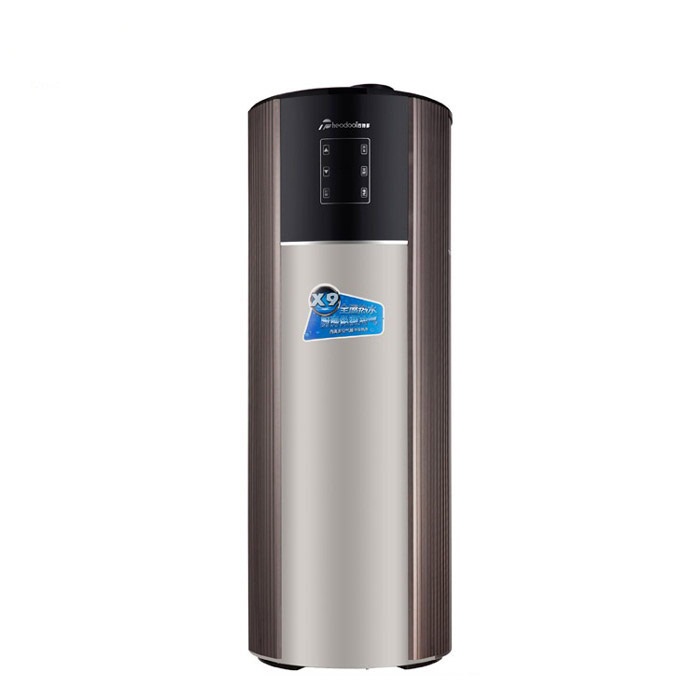
Every home presents unique mechanical challenges. You must evaluate your physical installation space before buying a high-efficiency unit. We see homeowners make critical mistakes regarding spatial planning and electrical requirements.
Spatial and Airflow Requirements: An all-in-one unit physically requires breathing room. It needs at least 450 cubic feet of unconfined space. The machine must draw ambient heat continuously. Placing it inside a tiny closet will freeze the room. A starved compressor cannot function efficiently. Louvered doors can help promote necessary airflow if space is tight.
Electrical Panel Upgrades: Plumbers historically required a dedicated 240V, 30-amp circuit for installation. Many older homes lack this extra panel capacity. Upgrading an electrical panel costs thousands of dollars. Fortunately, manufacturers now offer newer 120V plug-in models. These innovative units simply plug into a standard wall outlet. You completely bypass expensive electrical upgrades.
Sunk Costs and Timing: We strongly advise against prematurely replacing relatively new equipment. Do not throw away a healthy two-year-old standard electric tank. The financial math rarely supports replacing functioning equipment early. You should wait until your current unit nears the end of its natural lifecycle.
Maintenance Realities: Basic electric tanks are essentially "set and forget" appliances. Hybrid machines demand slightly more attention. You must perform periodic air filter cleaning. The compressor pulls in dust alongside room air. You also need to manage a condensate drain line. Extracting humidity produces liquid water. This water needs a safe drainage path to prevent floor damage.
Geography deeply influences your ultimate return on investment. Both local electricity pricing and ambient weather patterns change the performance math.
Regions featuring high electricity rates and moderate climates present the prime environment for advanced technology. States like California and areas across the Northeast see massive financial benefits. High kilowatt-hour rates heavily magnify your operational savings. You reach your ROI breakeven point much faster when standard electricity is expensive.
Hot and humid climates offer a fantastic hidden bonus. Homeowners in Florida or Texas enjoy an incredible secondary benefit. A running unit outputs cool, dry air as a natural byproduct of the heating cycle. Placing the unit inside an attached garage provides free dehumidification. It essentially acts as a gentle air conditioner. This lowers the overall cooling burden on your primary home AC system.
Cold climates and unheated basements introduce strict limitations. Hybrid systems struggle if ambient temperatures drop too close to freezing. The machine will eventually revert to standard electric resistance mode to keep up. This protective override nullifies your efficiency gains. EVI technology mitigates this issue partially. However, proper indoor placement remains critical for northern homes. You should avoid installing these units in detached sheds or poorly insulated crawlspaces.
Choosing the correct technology depends on your specific household setup. We compiled a straightforward checklist. This framework helps you identify the best path forward.
Keep or Buy Standard Electric If:
You must install the unit inside a cramped hallway closet lacking louvered doors.
Your primary electrical panel is completely full. You cannot easily install new breakers.
A newer 120V plug-in model does not suit your high-volume daily water needs.
You plan to move out of the house within two years. You will not stay long enough to realize the long-term ROI.
Upgrade to a High-Efficiency Unit If:
You have an unfinished basement. You might also have a large garage offering ample space and ambient warmth.
You currently pay higher-than-average local electricity rates.
You actively want to maximize home decarbonization efforts. You want to utilize available federal and state tax credits before they expire.
You run a high-demand household. Multiple family members take back-to-back showers. The higher recovery rate of a hybrid system easily prevents the dreadful "cold water sandwich" effect commonly seen in tankless setups.
We can clearly summarize the final verdict for modern homeowners. When evaluating a direct heat pump vs electric water heater replacement, the advanced technology wins decisively. The 10-year lifecycle math heavily favors the hybrid approach. The massive drop in monthly utility bills easily justifies the initial purchase price.
However, your specific home must meet the fundamental spatial and climatic prerequisites. Do not force an installation into a tiny closet. We strongly encourage you to measure your utility room space carefully. You should also check your local utility company website for instant rebates. Secure your federal tax credit forms before calling a professional plumber for an installation quote.
A: Standard electric models operate silently. Conversely, hybrid units produce a noticeable hum while the compressor runs. You can expect noise levels between 40 and 50 decibels. This volume closely matches a modern kitchen refrigerator. The noise is rarely bothersome if installed in a garage or basement. You should avoid placing the unit directly next to thin bedroom walls.
A: Yes, they pair beautifully together. Standard resistance heaters consume massive amounts of electricity. They can quickly drain a home solar battery system. A highly efficient unit requires a fraction of that energy. This low draw stretches your solar battery capacity much further. You can confidently heat your water using excess solar production during the afternoon.
A: We generally recommend sizing up slightly. A 65-gallon or 80-gallon tank usually works best for a family of four. Compressors recover hot water slower than traditional resistance elements when running strictly in eco mode. A larger tank provides a robust thermal buffer. You easily prevent cold showers during high-demand mornings without triggering the backup resistance elements.


