


Views: 0 Author: Site Editor Publish Time: 2026-08-18 Origin: Site


Open doors let cold air rush inside your building. They ruin lobby temperatures and make your employees shiver. Primary heating systems run constantly to fix this problem. They waste massive amounts of energy trying to warm the outdoors. A properly sized Air Curtain acts as an invisible shield across your doorway. It stops the cold draft entirely. However, freezing winter conditions often require supplemental heat right at the entryway.
Facility managers must choose the best heating method for their specific buildings. You cannot rely on guesswork when protecting your building envelope. This article helps you evaluate PTC (Positive Temperature Coefficient) technology thoroughly. We compare it to traditional and hydronic options available today. Our goal is to provide business owners with a clear evaluation framework. You will learn how these systems work and where they fail. We help you make a financially and operationally sound decision.
PTC Technology: Utilizes self-regulating ceramic heating elements that offer superior safety and longevity compared to traditional exposed-wire heaters.
Infrastructure Dictates Choice: The decision between a PTC and a Water Heated Air Curtain often hinges on existing building infrastructure (available electrical capacity vs. existing boiler systems).
Implementation Matters: The success of any heated air curtain depends entirely on correct mounting height, door width coverage, and integration with automated door switches.
Dual Functionality: PTC units operate as standard unheated air curtains in the summer, providing year-round climate separation and pest control.
Let us define PTC technology first. PTC stands for Positive Temperature Coefficient. These systems use advanced ceramic stones instead of simple metal coils. The ceramic stones act as the primary heating element. Electricity flows directly through these stones. As the temperature rises, the electrical resistance increases rapidly. This physical property caps the heat output naturally. The system simply cannot overheat. It limits its own power draw based on its current temperature. You get consistent warmth without dangerous temperature spikes.
We must contrast this with older heating models. Traditional resistance-wire heaters use exposed metal wires. These metal wires glow red hot when activated. They carry high fire risks. Dust inevitably hits the hot wires and burns instantly. This burning creates an unpleasant odor in your lobby. PTC elements never reach these extreme temperatures. They stay well below the combustion point of dust. They eliminate odor issues completely. They reduce fire hazards significantly. They also last much longer because they do not suffer thermal degradation.
Let us look at efficiency realities. Electric heat generally costs more than gas per BTU. However, PTC technology changes the math. Its self-regulating nature prevents unnecessary power spikes. Traditional heaters blast maximum power constantly. PTC elements reduce their power draw as they warm up. You get localized heat exactly where you need it. This optimizes your localized energy draw. It prevents wasteful overheating in the doorway. You achieve targeted comfort without overloading your electrical grid.
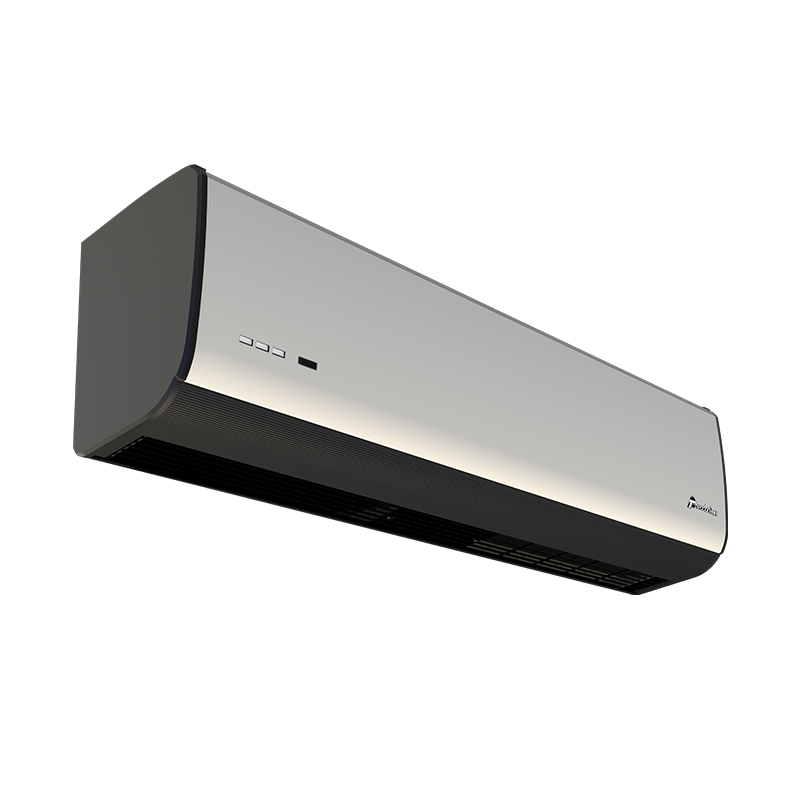
Facility managers must match the equipment to their building infrastructure. We evaluate three main options available in the commercial market.
First, consider unheated models. We often call them ambient units. They push room-temperature air across the door opening. They work best for internal climate zones. You might use them to separate a warehouse from a conditioned office. They excel at pest control. They keep flying insects outside effectively. They also work well in mild climates. However, they have a major limitation. They can cause a severe "wind chill" effect. People walking underneath feel a cold breeze in freezing weather. The fast-moving air pulls body heat away rapidly.
Next, let us examine the Water Heated Air Curtain. These units use hot water from your building boiler. They push incoming air through a hot water coil. They fit best in large industrial facilities. Commercial buildings utilizing an existing, high-efficiency boiler also benefit. They offer much lower operational costs per BTU. Generating hot water is generally cheap. But the trade-offs are highly significant. Upfront installation costs run very high. You need complex plumbing and new valves installed. You must perform regular freeze-protection maintenance. If the doorway gets too cold, the coils can freeze and burst.
Finally, we look at the Heated Air Curtain using PTC technology. These units fit perfectly in commercial retail spaces. Retrofit projects benefit greatly from them. Facilities lacking hot water infrastructure absolutely need this solution. Installation is fast and purely electrical. The heat-up time is immediate. The main trade-off involves electrical panel capacity. Large units require serious electrical power. You often need 3-phase power to run them effectively.
Doorway Climate Solutions Comparison Chart
Feature | Ambient Models | Water-Heated Models | PTC Heated Models |
|---|---|---|---|
Best Application | Internal zones, pest control | Industrial, boiler-equipped | Retail, retrofits, no boiler |
Heating Speed | None | Gradual (3-5 mins) | Instantaneous |
Install Complexity | Low | High (Plumbing needed) | Medium (Electric only) |
Freezing Risk | None | High (Requires glycol) | None |
You need a solid framework to evaluate these systems. Let us break down the critical metrics for facility managers.
First, look at HVAC offset and ROI. The thermal barrier stops cold drafts entering the building. This directly reduces your primary heating system cycle times. Your central heater runs less frequently. You must evaluate the unit properly. Compare the energy saved against the energy consumed. A well-sized unit pays for itself quickly. It keeps the expensive central heat trapped indoors. HVAC professionals emphasize this energy offset when calculating payback periods.
Next, consider the time-to-temperature metric. Traditional coils take several minutes to warm up fully. PTC elements heat up almost instantly. This rapid response matters immensely in the real world. Think about environments featuring rapid door-cycle times. Busy retail entrances open and close constantly. A slow heater blows cold air onto your customers. Instant heat ensures immediate comfort. The second the door opens, warm air flows down.
Finally, focus on maintenance and compliance. You must evaluate long-term upkeep requirements strictly. PTC units need minimal attention from your staff. They require periodic air filter cleaning. Clean filters prevent dust buildup and ensure optimal airflow. Water-heated systems require much more demanding work. Plumbers must inspect the valves annually. You face risks of coil scaling over time. You might deal with catastrophic water leaks eventually. Electric units avoid these wet-system hazards completely.
Many deployments fail due to poor planning. You must avoid these common mistakes to protect your investment.
The absolute biggest risk is undersizing the unit. Industry experts call this "The Broken Seal." The machine must push air all the way down to the floor. If the air velocity cannot reach the floor, the climate barrier fails. Cold air simply sneaks in under the air stream. Many people think extra heat solves this gap. It does not. Heating output cannot compensate for a weak blower. It also cannot fix a unit mounted too high. You need the right motor size for your specific door height.
Electrical load oversights cause massive headaches for facility managers. Installing a PTC model requires dedicated, heavy-duty electrical circuits. Many buyers skip the panel audit completely. They buy the unit and then call an electrician. The electrician arrives and finds the panel is full. Failing to audit the electrical panel beforehand is a primary cause of project delays. Always verify your amperage capacity first.
Control system failures waste incredible amounts of money. Many facilities over-rely on manual switches. Employees turn the machine on in the morning and leave it running. This draws expensive power all day long. We strongly advocate for magnetic door switch integration. A door switch connects directly to the door hinge. It ensures the unit only draws power when the door opens. The machine shuts off automatically when the door closes. This simple automation maximizes your energy savings.
Follow these three steps to avoid deployment failure:
Measure your door height exactly from the floor to the top header.
Match the unit's maximum velocity reach to your specific door height.
Install an automated magnetic switch during the initial setup process.
Where do these specific units shine? We can identify four primary scenarios where they deliver maximum value.
First, consider customer-facing retail and hospitality environments. Entryway comfort directly impacts customer dwell time. People leave cold stores much faster. A warm breeze creates a highly welcoming first impression. It sets a positive mood immediately. It also keeps your front-desk staff happy and productive. They no longer need to wear winter coats indoors.
Second, look at drive-thru windows and service kiosks. These tiny spaces suffer from constant, aggressive drafts. Stationary employees sit right next to the open window. They face freezing drafts all shift long. A PTC machine protects them effectively. It delivers intense, localized heat straight down. You avoid heavy infrastructure modifications. You just run a dedicated power line to the window area.
Third, cold storage transitional zones benefit greatly. Warehouses have distinct zones with different temperatures. Warm moist air hits freezing areas constantly. This interaction causes rapid condensation. Water then freezes on the floor. Piped hot-water solutions pose a severe freezing hazard here. Electric models prevent condensation and frost buildup safely. They keep the floors dry and prevent forklift accidents.
Evaluate your facility against these indicators:
Your entryway experiences high foot traffic during harsh winter months.
Your building lacks a central commercial boiler system.
Your front-line employees complain about doorway drafts frequently.
Your local health codes require doors to remain open during specific hours.
Finally, we recommend a clear next-step action. Take a tape measure to your doorway today. Measure the exact door height and width. Call an HVAC electrical engineer. Ask them to audit your panel capacity. Do this before making any purchase decisions.
PTC technology delivers reliable, immediate warmth right at the doorway. It provides a highly safe, fast-acting alternative to complex hydronic systems. The installation process remains straightforward and purely electrical. You avoid the massive plumbing costs associated with older boiler-based designs.
Base your final purchase decision on hard data. Measure your specific door height accurately. Assess your local climate severity. Confirm your available electrical infrastructure with a licensed professional. You must ensure your electrical panel can handle the required load safely.
Do not guess your operational requirements. Use a dedicated sizing calculator. Contact a specialist for a thorough facility audit. Proper specification guarantees a warm, efficient entryway all winter long. Take action today to protect your building envelope and keep your employees comfortable.
A: Yes. Most commercial units allow you to disable the heating element. You can run the blower purely for ambient climate separation. This provides excellent pest control and keeps air conditioning inside during warmer months.
A: No. It functions strictly as a supplemental system. It is designed to stop heat loss at the door and provide a curtain of warm air. It is not designed to heat the entire square footage of a building.
A: Electric heating does draw significant power. However, integrating the unit with a door switch ensures it only runs in short bursts. It operates for seconds or minutes at a time. This makes the actual operational cost much lower than continuous-run space heaters.


